










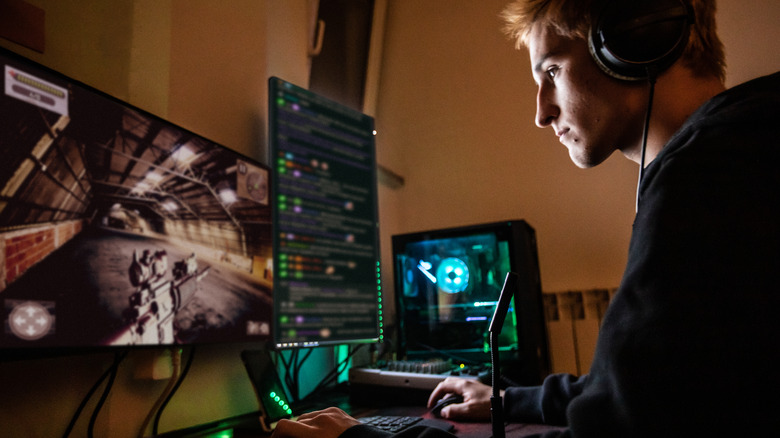
Overwatch 2, the highly anticipated sequel to Blizzard Entertainment’s popular team-based shooter, has captured the attention of gamers worldwide with its enhanced graphics, new heroes, and dynamic gameplay. However, like many competitive online games, it faces the persistent issue of cheating. An in-depth analysis of Overwatch 2 cheat features reveals a complex landscape where technology and creativity intersect to undermine fair play.
Cheating in Overwatch 2 manifests in various forms, each designed to give players an unfair advantage over their opponents. These cheats range from simple scripts that automate certain actions to sophisticated software that manipulates game mechanics at a fundamental level. One of the most prevalent types is the aimbot—a program that automatically targets opponents with precision far beyond human capability. Aimbots are particularly disruptive in first-person shooters like Overwatch 2 Cheat because they eliminate one of the core skills required for success: aiming accuracy.
Another common cheat feature is wallhacking. This involves altering the game’s code or using third-party software to make walls and other obstacles transparent or semi-transparent. By doing so, cheaters can see enemy positions through walls and plan their attacks accordingly. Wallhacks severely disrupt strategic elements of gameplay by removing uncertainty about opponent locations and intentions.
In addition to these traditional cheats, there are more subtle methods employed by some players known as “triggerbots.” Unlike aimbots that continuously aim for an opponent’s head or body, triggerbots activate only when an enemy enters a player’s crosshair—making them harder to detect both visually and through anti-cheat systems. This type of cheat requires less overt movement manipulation but still provides significant advantages by ensuring quick reaction times without requiring player input.
Blizzard Entertainment has implemented several measures aimed at combating these illicit activities within Overwatch 2; however maintaining integrity remains challenging due largely due evolving nature techniques used circumvent detection mechanisms put place prevent exploitation game environment itself . Anti-cheat systems rely on identifying unusual patterns behavior which may indicate presence unauthorized programs running alongside client-side application while also monitoring server-side data ensure no discrepancies arise during matches themselves .
Despite best efforts developers keep pace ever-changing tactics employed hackers , reality situation such technologies continue evolve rapidly making difficult stay ahead curve entirely eradicate problem altogether . As result , community often plays crucial role reporting suspicious activity providing valuable feedback helps shape future updates patches designed address vulnerabilities discovered along way .
Community engagement key aspect addressing issue effectively since relies vigilance awareness among regular players who encounter potential cheaters firsthand basis daily basis matches played across globe every hour day night alike . Encouraging users report any anomalies encountered during sessions via dedicated channels forums social media platforms allows quicker response time investigations conducted swiftly efficiently possible minimize impact damage caused those seeking exploit weaknesses system gain unfair edge competition field .