











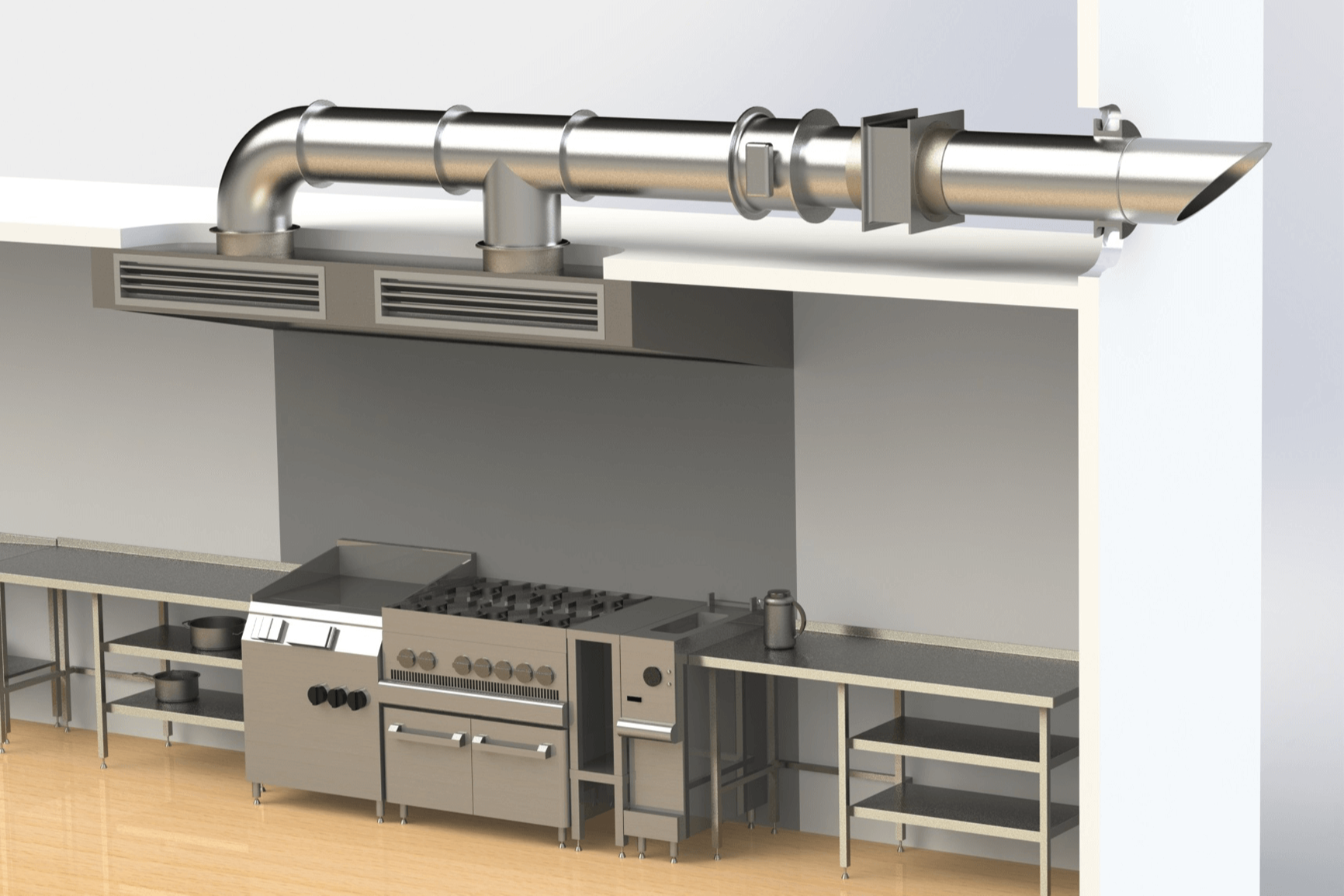
In the bustling world of commercial kitchens, where culinary magic is crafted daily, the importance of proper ventilation cannot be overstated. These spaces are often hives of activity, with chefs and staff working tirelessly to create exquisite dishes for their patrons. However, amidst the clatter of pots and pans and the sizzle of frying food lies an invisible yet critical component that ensures both safety and efficiency: ventilation.
Proper ventilation solutions in commercial kitchens are essential for a myriad of reasons. Firstly, they play a pivotal role in maintaining air quality. A well-ventilated kitchen helps remove smoke, steam, grease-laden vapors, and odors that can accumulate during cooking processes. Without adequate ventilation, these airborne particles can linger in the air, leading to poor indoor air quality which may affect both employees’ health and customers’ dining experience.
Moreover, effective ventilation systems contribute significantly to temperature control within the kitchen environment. Commercial kitchens generate substantial heat due to continuous cooking activities and high-powered equipment operation. Properly designed ventilation solutions for kitchens help dissipate this excess heat efficiently, creating a more comfortable workspace for kitchen staff who endure long hours under intense conditions.
Safety is another paramount concern addressed by appropriate kitchen ventilation systems. By effectively removing combustible gases and reducing humidity levels that could lead to slippery floors or mold growth over time; these systems minimize potential hazards associated with fire risks or accidents caused by poor visibility due to smoke accumulation.
Furthermore; energy efficiency is enhanced through optimized airflow management provided by modern ventilation technologies such as demand-controlled exhaust hoods equipped with variable speed fans adjusted according to real-time needs rather than running at full capacity continuously regardless if it’s necessary – resulting not only cost savings but also reduced environmental impact from excessive energy consumption.